

1. The Ambush at Nowpora Akhran
On Wednesday afternoon, November 11, 2026, at approximately 2:15 PM, gunshots pierced the routine traffic near Mir Bazar in south Kashmir’s Kulgam district. A static security checkpoint (naka) established by the 46th Battalion of the Central Reserve Police Force (CRPF) at Nowpora Akhran was suddenly targeted by two motorcycle-borne militants brandishing concealed automatic rifles.
The assailants fired a rapid burst of 7.62mm rounds directly into the sentry post before accelerating through a secondary agricultural road leading toward the dense apple orchards of south Kashmir. The attack was completed in less than 20 seconds, calculated to maximize confusion before paramilitary quick-reaction elements could engage.
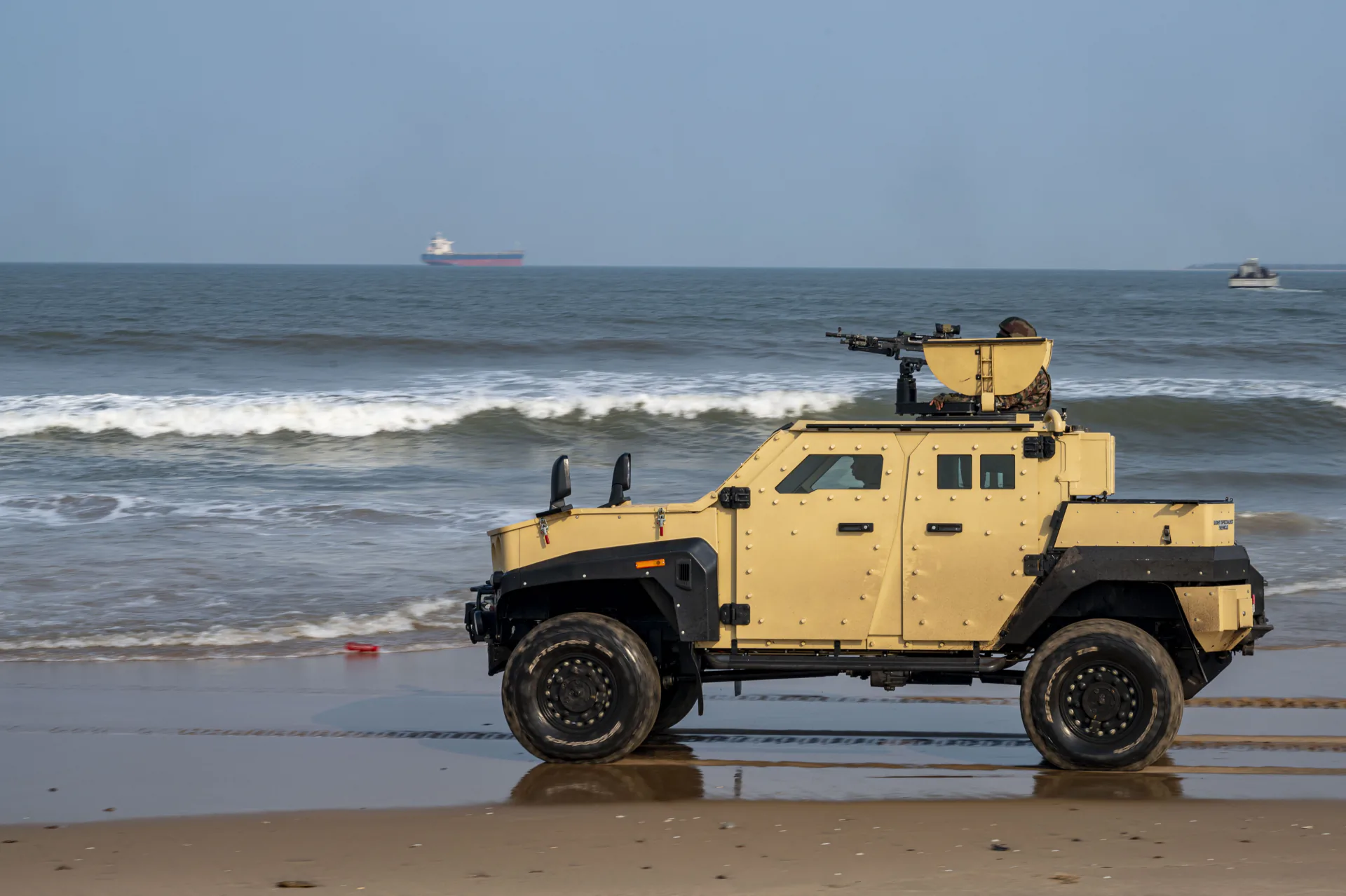
Three CRPF personnel sustained gunshot wounds in the burst. Alert comrades immediately returned fire, providing covering suppression while extracting the wounded into a bulletproof tactical vehicle. The injured troopers were rushed to the Government Medical College (GMC) in neighboring Anantnag, where two are recovering from non-fatal extremity wounds, while one undergoes emergency surgery for abdominal trauma.
2. The Modus Operandi: 'Shoot and Scoot' Pistol & Carbine Modules
Counter-insurgency analysts note that Wednesday's incident exemplifies the shifting tactical doctrine of terror outfits in Jammu and Kashmir. Having suffered extensive leadership attrition in traditional open-field encounters, handlers across the Line of Control have increasingly pivoted toward 'hybrid' and 'shoot-and-scoot' hit teams.
Operatives associated with The Resistance Front (TRF)—a front for Lashkar-e-Taiba—utilize civilian two-wheelers, concealed weapons, and encrypted messaging applications to carry out targeted strikes on isolated security checkposts or off-duty personnel before melting back into the civilian populace. Senior intelligence officials in Srinagar confirmed that preliminary forensic ballistics and eyewitness logs point toward a known local module led by absconding operatives.
3. Sealing the Pir Panjal: Multi-Agency Cordon Architecture
Within thirty minutes of the initial gunfire, South Kashmir witnessed the activation of a standardized tri-service counter-terror grid. Units from the Indian Army's 1st Rashtriya Rifles (RR), the J&K Police Special Operations Group (SOG), and additional CRPF battalions erected concentric rings of steel around the Nowpora-Mir Bazar corridor.
The primary objective of the joint operation is to prevent the attackers from crossing the treacherous terrain into the dense pine forests of the Pir Panjal mountain range. The Pir Panjal ridgeline has historically served as a high-altitude transit corridor connecting the Kashmir valley to the Rajouri-Poonch border belt, offering natural caves and dense canopy that complicate aerial reconnaissance.
4. Technological Force Multipliers: FLIR UAVs and Acoustic Sensors
As darkness fell over the Kulgam valley on Wednesday evening, security forces deployed advanced technological force multipliers to maintain perimeter integrity. Tethered surveillance drones and indigenous tactical quadcopters equipped with Forward-Looking Infrared (FLIR) cameras began systematic thermal sweeps of agricultural orchards, haystacks, and abandoned brick kilns.
Additionally, sniffer dog teams trained in explosive and gunpowder residue detection were brought to the ambush site to track the scent trail left by the fleeing motorcycle. With senior officers from the Victor Force and CRPF South Sector overseeing operations from the district command headquarters, the cordon remains tightly locked, signaling an unyielding stance against terror networks seeking to destabilize Kashmir's hard-won stability.