
Wednesday, November 11, 2026Subscribe Free
Energy & TradePublished November 11, 2026•7 min read

The IMEC Resurgence: Rail, Clean Hydrogen, and Digital Arteries Linking Mumbai to Piraeus

Why the India-Middle East-Europe Economic Corridor is accelerating strategic infrastructure pacts across the Gulf despite regional friction.

Zainab Al-Husseini

Zainab Al-Husseini

Director of Middle East Energy Transition & Trade Architecture

The IMEC Resurgence: Rail, Clean Hydrogen, and Digital Arteries Linking Mumbai to Piraeus
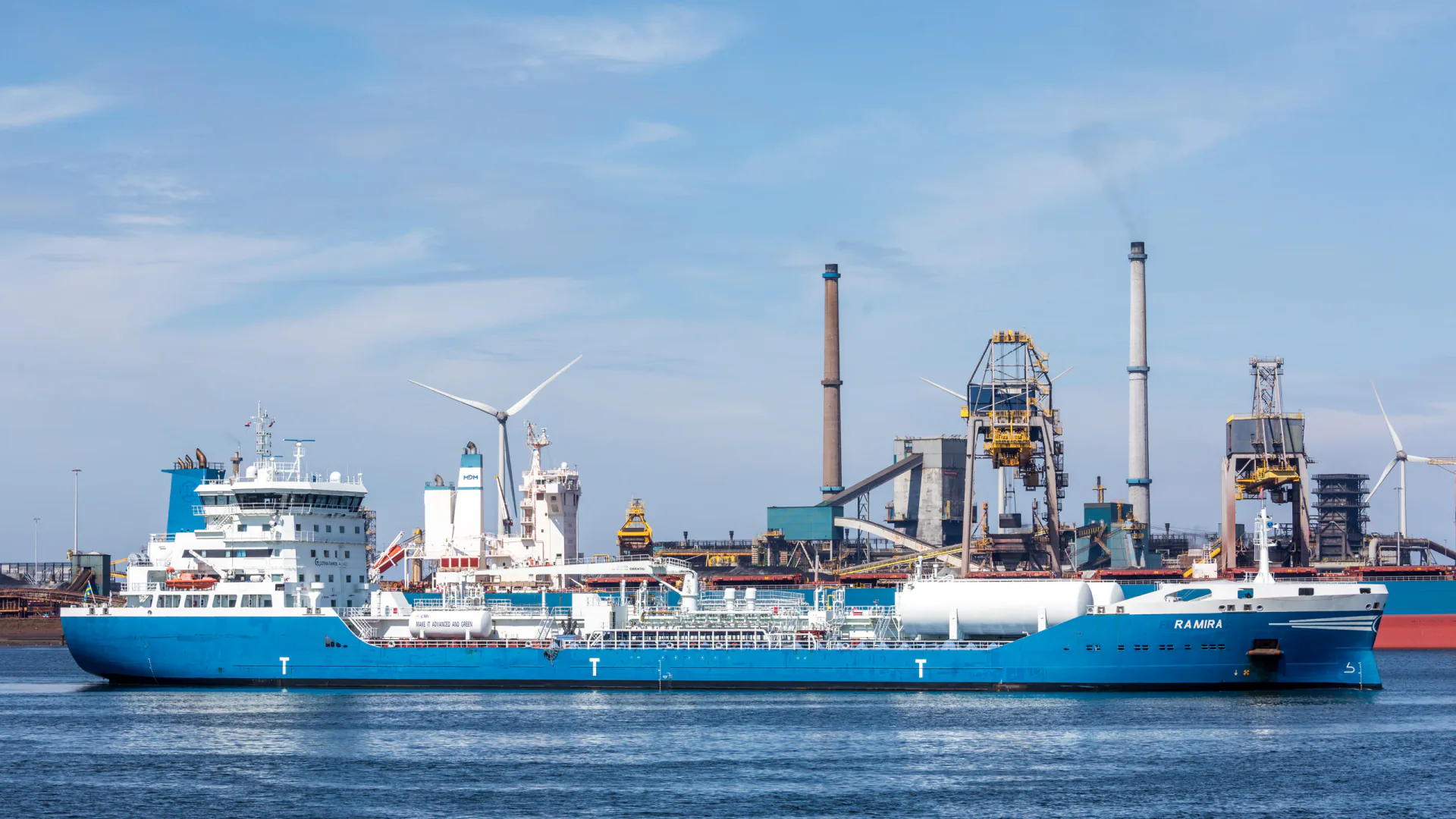
Automated deep-water container berths and multi-modal rail terminal linking sea lines to trans-continental freight networks.

Strategic Executive Summary

  • ▪IMEC is engineered to cut multi-modal freight transit times between Mumbai's Jawaharlal Nehru Port (JNPA) and European gateway hubs by up to 40%.
  • ▪The energy pillar focuses on green ammonia and liquid organic hydrogen carriers (LOHC) piped from NEOM and Al Dhafra solar gigaprojects to European industrial basins.
  • ▪Bilateral rail interoperability pacts between Etihad Rail and Saudi Arabia Railways (SAR) have bridged the critical cross-border desert gap between Ghuweifat and Haradh.
  • ▪The digital spine features ultra-low-latency terrestrial optical fiber networks linking GIFT City financial exchanges directly with Frankfurt and London.

1. The Multi-Modal Vision Behind IMEC

Unveiled at the New Delhi G20 Summit, the India-Middle East-Europe Economic Corridor (IMEC) was greeted with both geopolitical fanfare and skepticism. Critics questioned whether a corridor traversing the Arabian Sea, the Arabian Peninsula desert railway, and the Mediterranean Sea could compete with continuous blue-water maritime transport.

However, recent disruptions in the Red Sea and escalating vulnerability across global maritime chokepoints have radically shifted the commercial risk calculus. Modern logistics conglomerates are willing to absorb intermodal transshipment costs in exchange for predictable, non-chokepoint-constrained transit windows.

⚡ Key Intelligence Marker
"14 Days vs. 32 Days: Projected transit duration from West Coast India to Hamburg via IMEC multi-modal rail-sea integration compared to Cape of Good Hope maritime loops."

— FICCI Infrastructure & Logistics Taskforce

2. The Sovereign Energy Matrix: Hydrogen Pipelines

Beyond container boxes, IMEC's true strategic linchpin is energy and data. The Middle East's world-leading solar irradiation yields solar electricity production costs below 1.2 cents per kilowatt-hour in projects across the UAE and Saudi Arabia.

Under the corridor's clean energy framework, this cheap electron base is dedicated to gigawatt-scale electrolyzer complexes producing green hydrogen. Rather than relying on high-cost liquefied hydrogen shipping, the corridor envisions dedicated high-pressure pipelines traversing Jordan and Israel into the Mediterranean basin, supplying Germany's decarbonizing chemical and steel sectors.

3. Strategic Equilibrium with the Belt and Road

While diplomatic communiqués describe IMEC strictly as an economic partnership, its geopolitical architecture serves as a direct, high-standard counterbalance to China's Belt and Road Initiative (BRI). Unlike debt-financed infrastructure models that led to port concessions in Sri Lanka and Pakistan, IMEC utilizes co-equity financing anchored by sovereign wealth funds (Mubadala, ADQ, and Saudi PIF) alongside Western development finance corporations.

By knitting India's manufacturing expansion directly into the European single market via the Gulf's logistics hubs, IMEC establishes a resilient commercial highway that secures energy, digital bandwidth, and critical goods against future geopolitical ruptures.

⚡ Key Intelligence Marker
"IMEC is not merely a rail line; it is a geostrategic spine designed to re-anchor the global center of economic gravity across the Indo-Mediterranean axis."

— Dr. Kabir Varma, Center for Global Trade Architecture
Filed Under:Energy & Trade#IMEC#Trade Corridors#India#Middle East#Green Hydrogen#Logistics#Geopolitics
Zainab Al-Husseini

Zainab Al-Husseini

OSINT Verified Desk

Director of Middle East Energy Transition & Trade Architecture

Senior contributor to the Energy & Trade desk at Geoprimer, covering imec, trade corridors, india and primary-source verification under our Editorial & Verification Charter.

The Diplomatic Dispatch

Get Weekly Geopolitical Intelligence in Your Inbox

Curated analysis of international chokepoints, currency wars, defense treaties, and energy supply shocks. Zero spam, free forever.

Trusted by analysts, civil services aspirants, and foreign policy researchers.

Recommended Energy & Trade & Strategic Inquiries

All Energy & Trade →
Cab-Cam Audio Exposes Brake Failure: Inside the Digaru Derailment of Kolkata-Sairang Express and India's Kavach Modernization RaceINDIA AffairsTrending
9:16 VERTICAL • 01:00
November 11, 2026•8 min read

Cab-Cam Audio Exposes Brake Failure: Inside the Digaru Derailment of Kolkata-Sairang Express and India's Kavach Modernization Race

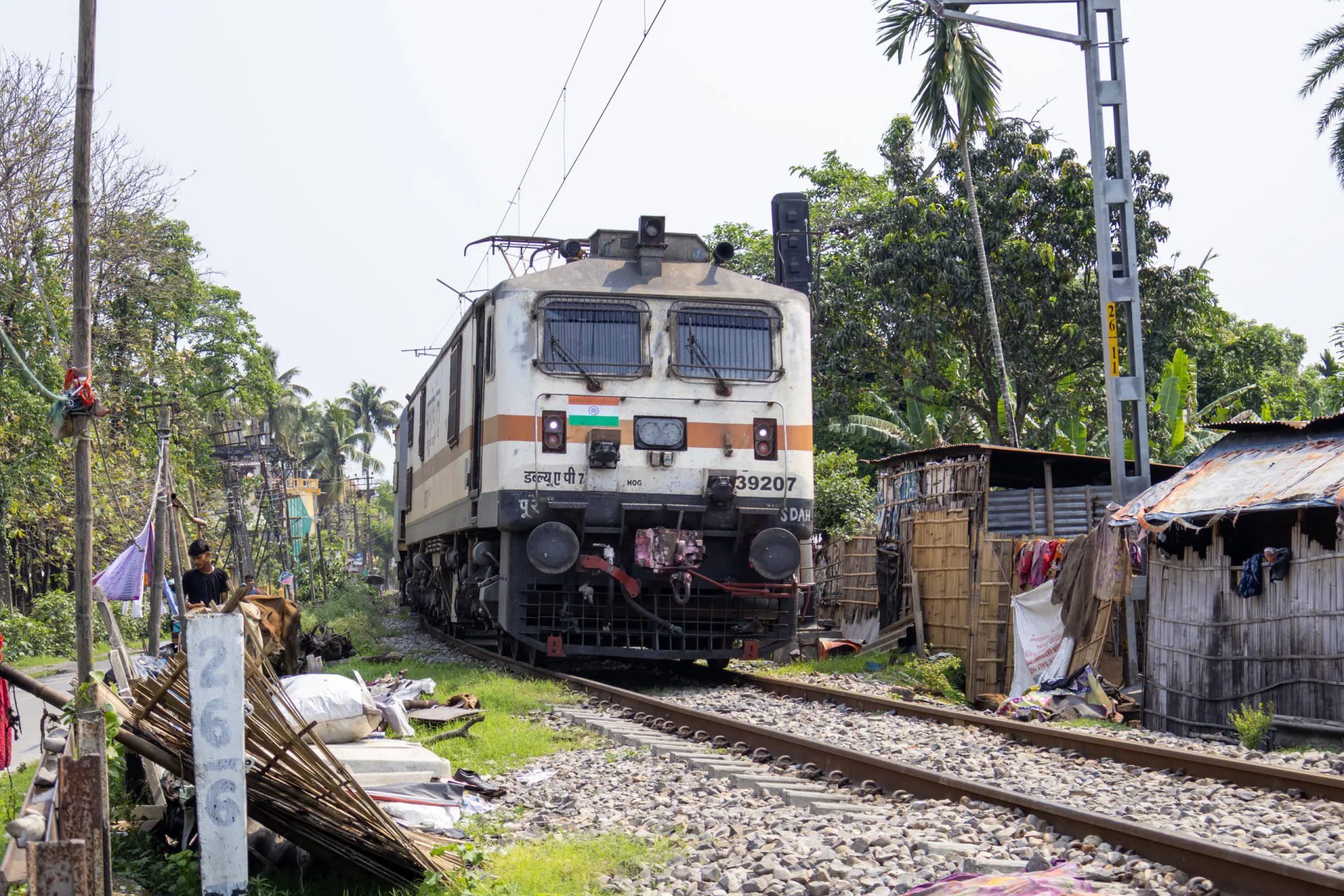
In the early morning hours of November 11, 2026, the Kolkata-Sairang Express (Train No. 13125) suffered a high-speed overshoot and derailment at Digaru railway station in the Kamrup Metropolitan district of Assam. While all 1,200 passengers were confirmed safe thanks to mechanical sand hump barriers, leaked cabin voice recordings revealed the locomotive crew shouting 'Red Signal' as emergency brake applications failed to decelerate the train. The incident has thrust the Ministry of Railways' ₹45,000-crore Kavach 4.0 automated collision-prevention rollout into acute national focus.

Pradeep Sengupta & Rail Safety Intelligence Desk

Pradeep Sengupta & Rail Safety Intelligence Desk

Senior Forensic Transportation & Rail Infrastructure Analyst

Watch
The NCC Fajr Incident: Saudi Tanker Struck Near Hormuz as India Activates Gulf Maritime Shield to Guard 20,000 SeafarersGeopoliticsTrending
November 11, 2026•9 min read

The NCC Fajr Incident: Saudi Tanker Struck Near Hormuz as India Activates Gulf Maritime Shield to Guard 20,000 Seafarers

A suspected drone and projectile attack targeted the Saudi-flagged chemical tanker NCC Fajr as it navigated the narrow approaches of the Strait of Hormuz on November 11, marking the second commercial ship strike in the Persian Gulf in under 24 hours. Union Minister for Ports, Shipping and Waterways Sarbananda Sonowal confirmed via X that all three Indian crew members aboard are unharmed. With over 20,000 Indian seafarers manning commercial vessels in the Gulf and 85% of India's crude imports passing through the chokepoint, the Indian Navy has escalated Operation Sankalp surveillance, deploying guided-missile destroyers and P-8I maritime patrol aircraft.

Commander Vikramaditya Nair & Energy Desk

Commander Vikramaditya Nair & Energy Desk

Strategic Maritime Defense & Energy Chokepoints Analyst

Read
The Kulgam Checkpoint Ambush: Indian Security Forces Launch High-Altitude Cordon Across Pir Panjal After Attack on CRPFINDIA AffairsTrending
November 11, 2026•8 min read

The Kulgam Checkpoint Ambush: Indian Security Forces Launch High-Altitude Cordon Across Pir Panjal After Attack on CRPF

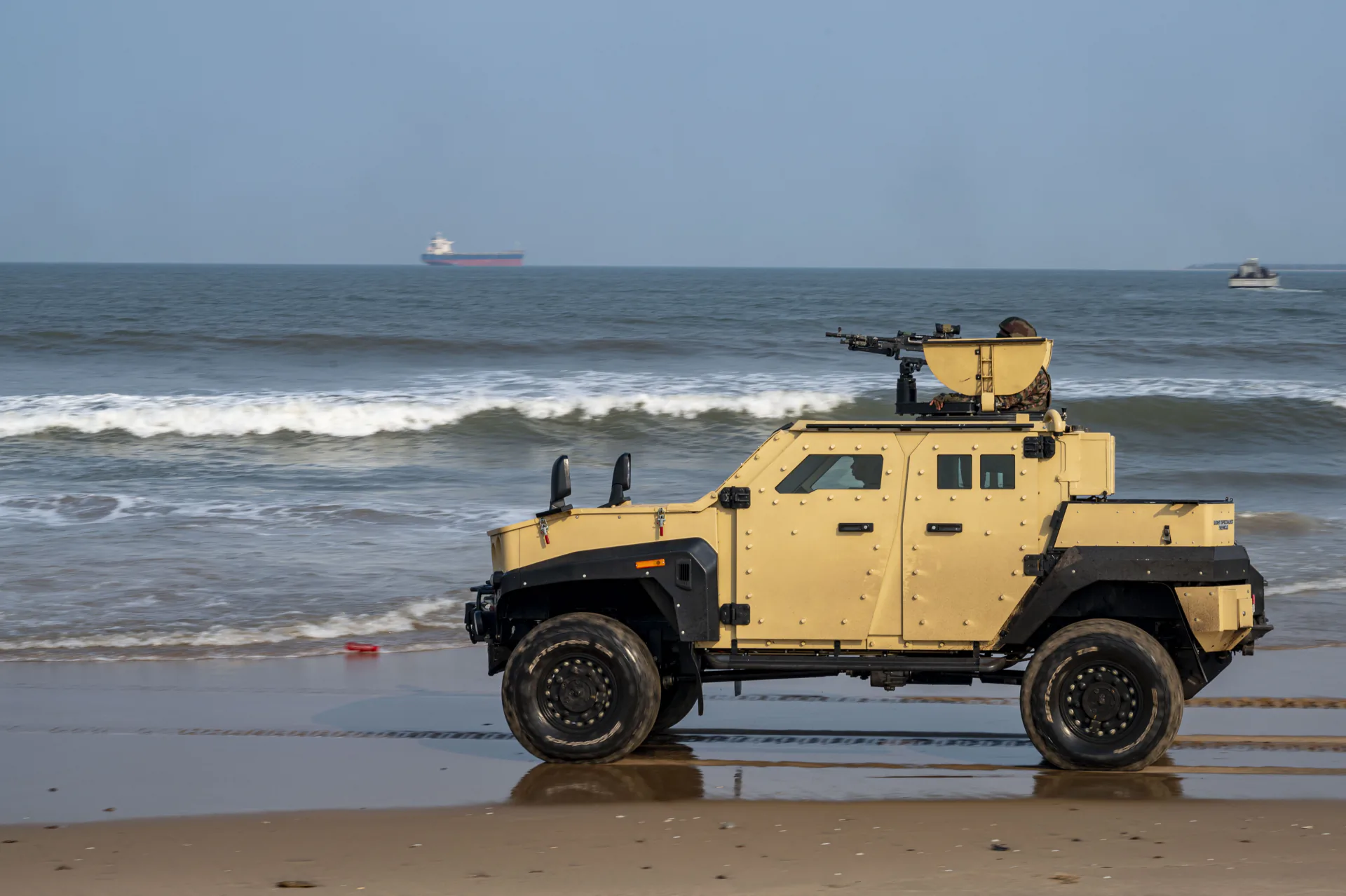
At 2:15 PM on November 11, 2026, motorcycle-borne militants launched a sudden drive-by automatic weapons attack against a CRPF checkpost near Mir Bazar in south Kashmir's Kulgam district, injuring three paramilitary personnel from the 46th Battalion. While two troopers sustained non-life-threatening bullet wounds, one remains in critical care at GMC Anantnag. Indian security forces—combining the Indian Army's Rashtriya Rifles, J&K Police Special Operations Group (SOG), and CRPF Quick Reaction Teams—immediately launched a sweeping multi-tier Cordon and Search Operation (CASO) supported by thermal UAVs to track the assailants across the Pir Panjal foothills.

Colonel Raghavan Iyer (Retd.) & Defense Bureau

Colonel Raghavan Iyer (Retd.) & Defense Bureau

Counter-Terrorism, Homeland Security & Special Operations Analyst

Read