

Wednesday, November 11, 2026Subscribe Free
Energy & TradePublished November 11, 2026•8 min read

The Hormuz Ultimatum: US Pauses Strikes Following Qatari Mediation as Brent Crude Hits $92 Amid Drone Threats

The White House holds back punitive military strikes on Iranian assets following intense backchannel mediation by Qatar's Prime Minister. Yet with the US ordering a partial embassy evacuation in Saudi Arabia and war-risk premiums doubling across the Strait of Hormuz, global energy markets face severe supply friction.

Elena Rostova

Elena Rostova

Lead Energy Geopolitics & Macro Intelligence Analyst

The Hormuz Ultimatum: US Pauses Strikes Following Qatari Mediation as Brent Crude Hits $92 Amid Drone Threats
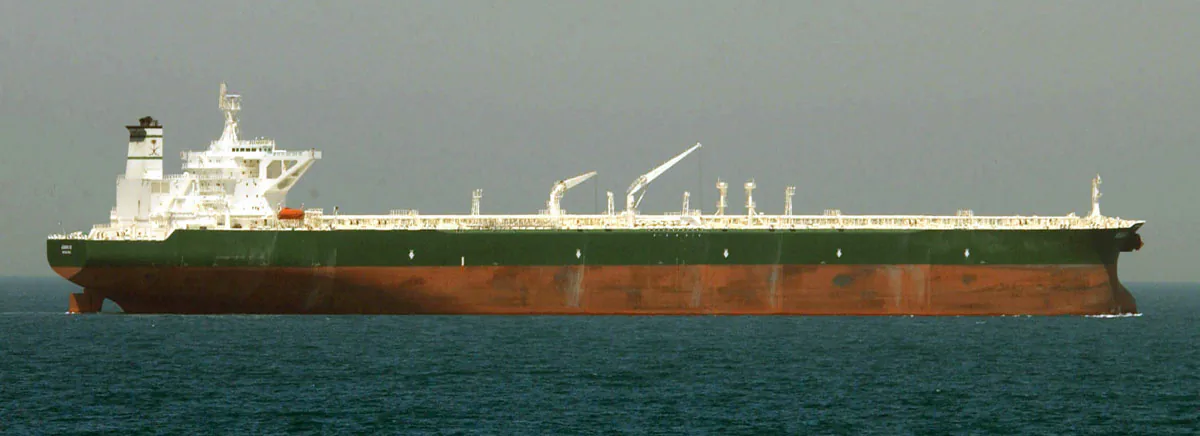
The Saudi Arabian supertanker Abqaiq transiting the narrow outbound lanes of the Strait of Hormuz. Over 20.5 million barrels of crude flow through this 21-mile chokepoint daily.

Strategic Executive Summary

  • ▪White House halts immediate kinetic retaliation against Iranian infrastructure following direct appeals from Qatari Prime Minister Sheikh Mohammed bin Abdulrahman Al Thani during Oval Office consultations.
  • ▪U.S. State Department orders non-emergency government personnel and families to evacuate diplomatic posts across Saudi Arabia amid heightened ballistic and kamikaze drone attack threats.
  • ▪Brent crude surges to $92.40 per barrel as Lloyd’s Market Association and global maritime syndicates double war-risk hull insurance for tankers operating inside the Persian Gulf.
  • ▪Asian consumer nations—heavily dependent on Hormuz flows for 60% of their crude—mobilize emergency reserve contingency plans, with India’s ISPRL reviewing cavern drawdown readiness.

Key Decision-Makers in the Middle East Energy Standoff

Visual Intelligence Profile
Sheikh Mohammed bin Abdulrahman Al ThaniChief Diplomatic Mediator

Sheikh Mohammed bin Abdulrahman Al Thani

Prime Minister and Foreign Minister of Qatar

Led round-the-clock emergency backchannel negotiations between Washington and Tehran, successfully securing a temporary freeze on direct military strikes.

Donald J. TrumpExecutive Commander

Donald J. Trump

President of the United States

Agreed to pause kinetic retaliatory strikes while reiterating that unconstrained freedom of navigation in the Strait of Hormuz remains a non-negotiable red line.

Masoud PezeshkianTehran Leadership

Masoud Pezeshkian

President of the Islamic Republic of Iran

Balancing domestic IRGC hardliners demanding retaliatory measures with the urgent economic imperative to avoid an all-out regional naval conflict.

Prince Abdulaziz bin SalmanOPEC+ Policy Anchor

Prince Abdulaziz bin Salman

Minister of Energy, Kingdom of Saudi Arabia

Managing output allocations and contingency pipeline routing via the East-West Petroline to Yanbu on the Red Sea to bypass Gulf chokepoint risks.

ENERGY LOGISTICS

The Hormuz Chokepoint Pressure Valve: Anatomy of the $92 Oil Standoff

Geoprimer Flow Analytics
1Point 1
The 21-Mile Strategic Funnel

20.5 million barrels of crude—roughly 21% of global petroleum consumption—flows daily through two-mile-wide inbound and outbound separation channels.

20.5M bpd Transited
2Point 2
Asymmetric Attack Vectors

Drone strikes targeting gas pipelines in Iraqi Kurdistan and radar harassment in the Gulf of Oman trigger sudden insurance spikes.

+110% War-Risk Premium
3Point 3
The Qatari De-Escalation Channel

Doha secures temporary 72-hour operational pause, staving off direct strikes on coastal radar installations.

72-Hour Freeze
4Point 4
Asian Reserve Mobilization

Refineries across India, China, Japan, and Korea prepare emergency drawdown protocols from underground strategic petroleum caverns.

$92.40 Brent Benchmark

Source: U.S. Energy Information Administration (EIA) & Lloyd's List Intelligence

1. The Midnight Channel: How Doha Brokered a Fragile Reprieve

In what international diplomats are describing as the most precarious 48 hours in the Persian Gulf since the Tanker Wars of the 1980s, the White House was hours away from authorizing multi-wave airstrikes against coastal radar and missile sites along southern Iran. The catalyst was a series of synchronized drone strikes that crippled the Khor Mor gas facility in Iraqi Kurdistan and sent shrapnel into Saudi Aramco monitoring outposts.

The intervention that averted regional conflagration came directly from Doha. Qatari Prime Minister Sheikh Mohammed bin Abdulrahman Al Thani arrived in Washington for urgent, unannounced consultations in the West Wing. Carrying backchannel assurances from Tehran regarding shipping corridors, the Qatari delegation convinced President Donald Trump to halt kinetic orders and allow diplomatic de-escalation windows.

High-level diplomatic corridors in Washington. Qatari backchannel engagement averted immediate U.S. kinetic strikes, but military alerts remain at peak readiness.

2. The Saudi Alarm: U.S. Embassy Evacuation Orders

Despite the operational pause, the security environment in the Gulf remains intensely combustible. The U.S. State Department issued an urgent advisory ordering the departure of non-emergency government personnel and their families from the U.S. Embassy in Riyadh and consulates in Dhahran and Jeddah.

The evacuation directive cited credible intelligence regarding imminent salvos of long-range loitering munitions launched by regional proxy factions. For global commodity traders, the departure of U.S. diplomatic dependents served as an unmistakable signal that regional war risks have entered a critical red zone.

⚡ Key Intelligence Marker
"When diplomatic families are evacuated from Riyadh and Dhahran, commercial maritime insurance underwriters treat the Persian Gulf as an active war theatre."

— Senior Energy Risk Consultant, Lloyd's Market Association

3. The $92 Benchmark: War-Risk Surcharges Choke Tanker Transit

Global crude benchmarks reacted with violent upward momentum. Brent crude surged past $92.40 a barrel, registering a 7.8% single-day jump. Maritime insurers in London and Singapore have doubled the additional war-risk premium (AWRP) required for Very Large Crude Carriers (VLCCs) entering the Persian Gulf, adding over $350,000 per voyage in transit insurance alone.

Shipowners are increasingly demanding explicit naval convoy guarantees before vectoring through the narrow 21-mile passage between Oman's Musandam Peninsula and the Iranian coast. Container lines, already re-routing thousands of vessels around the Cape of Good Hope due to Red Sea perils, face mounting global logistics congestion.
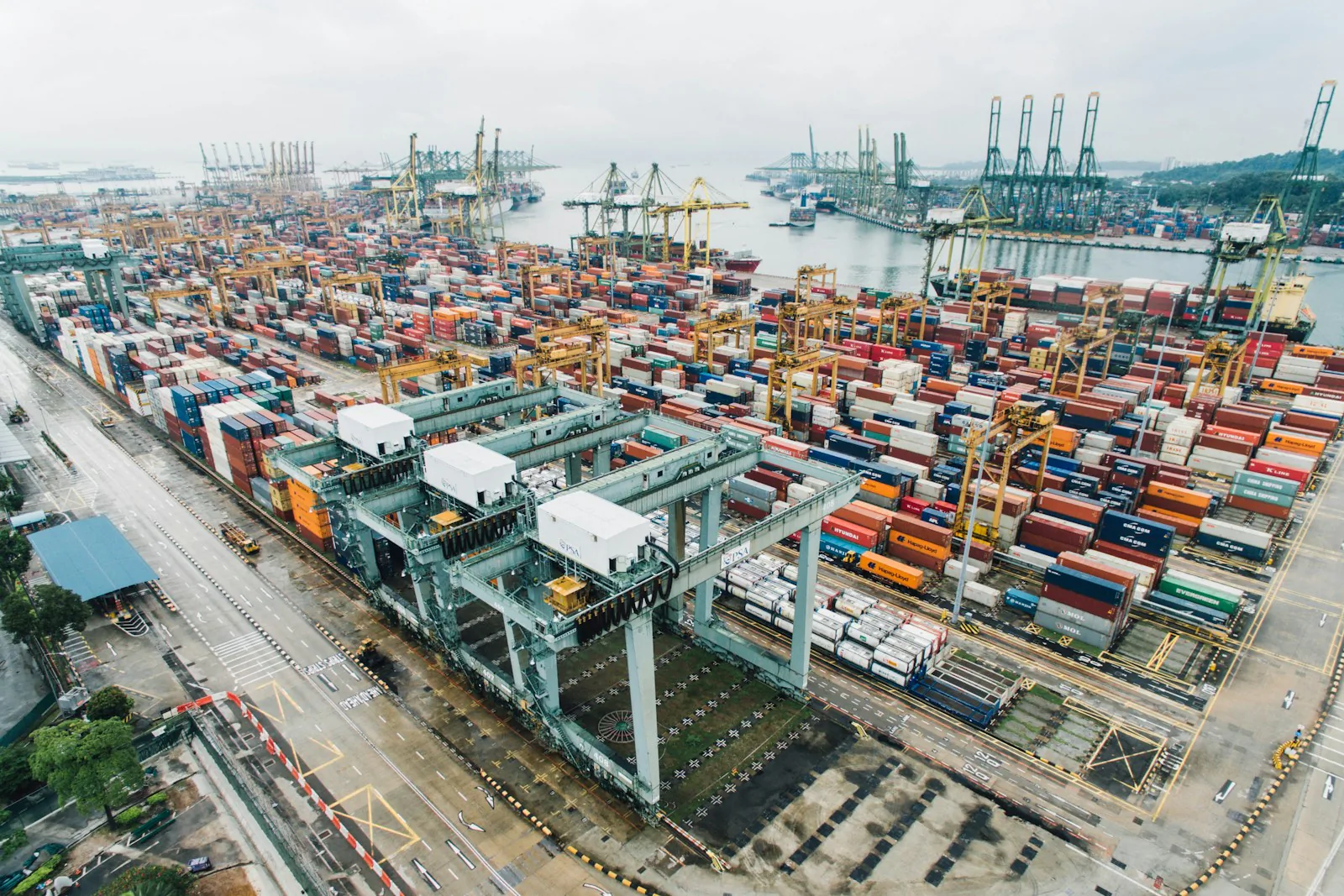
Commercial maritime logistics infrastructure. Doubling insurance surcharges and naval convoy bottlenecks threaten to throttle global container and crude flows.

4. The Asian Calculation: Strategic Petroleum Reserves on Standby

Nowhere is the Hormuz shock felt more acutely than in Asian capitals. India, China, Japan, and South Korea together absorb over 70% of all hydrocarbons exiting the Strait. For New Delhi, where crude oil imports exceed 85% of domestic consumption, every $10 increase in oil prices widens the current account deficit by $12.5 billion.

In response, the Indian Strategic Petroleum Reserves Limited (ISPRL) has placed its underground salt cavern facilities in Visakhapatnam, Mangalore, and Padur on elevated alert. While diplomacy in Doha has bought precious hours, the global economy remains balanced on a geopolitical razor's edge.

⚡ Key Intelligence Marker
"The Strait of Hormuz is not a regional canal; it is the jugular vein of the industrialized world. Any sustained interruption represents an instant global macroeconomic emergency."

— Chief Global Commodities Strategist, International Energy Forum

Filed Under:Energy & Trade#Strait of Hormuz#Brent Crude#Oil Crisis#Qatar#US Foreign Policy#Iran#Saudi Arabia#Energy Geopolitics
Elena Rostova

Elena Rostova

OSINT Verified Desk

Lead Energy Geopolitics & Macro Intelligence Analyst

Senior contributor to the Energy & Trade desk at Geoprimer, covering strait of hormuz, brent crude, oil crisis and primary-source verification under our Editorial & Verification Charter.

The Diplomatic Dispatch

Get Weekly Geopolitical Intelligence in Your Inbox

Curated analysis of international chokepoints, currency wars, defense treaties, and energy supply shocks. Zero spam, free forever.

Trusted by analysts, civil services aspirants, and foreign policy researchers.

Recommended Energy & Trade & Strategic Inquiries

All Energy & Trade →
Cab-Cam Audio Exposes Brake Failure: Inside the Digaru Derailment of Kolkata-Sairang Express and India's Kavach Modernization RaceINDIA AffairsTrending
9:16 VERTICAL • 01:00
November 11, 2026•8 min read

Cab-Cam Audio Exposes Brake Failure: Inside the Digaru Derailment of Kolkata-Sairang Express and India's Kavach Modernization Race

In the early morning hours of November 11, 2026, the Kolkata-Sairang Express (Train No. 13125) suffered a high-speed overshoot and derailment at Digaru railway station in the Kamrup Metropolitan district of Assam. While all 1,200 passengers were confirmed safe thanks to mechanical sand hump barriers, leaked cabin voice recordings revealed the locomotive crew shouting 'Red Signal' as emergency brake applications failed to decelerate the train. The incident has thrust the Ministry of Railways' ₹45,000-crore Kavach 4.0 automated collision-prevention rollout into acute national focus.

Pradeep Sengupta & Rail Safety Intelligence Desk

Pradeep Sengupta & Rail Safety Intelligence Desk

Senior Forensic Transportation & Rail Infrastructure Analyst

Watch
The NCC Fajr Incident: Saudi Tanker Struck Near Hormuz as India Activates Gulf Maritime Shield to Guard 20,000 SeafarersGeopoliticsTrending
November 11, 2026•9 min read

The NCC Fajr Incident: Saudi Tanker Struck Near Hormuz as India Activates Gulf Maritime Shield to Guard 20,000 Seafarers

A suspected drone and projectile attack targeted the Saudi-flagged chemical tanker NCC Fajr as it navigated the narrow approaches of the Strait of Hormuz on November 11, marking the second commercial ship strike in the Persian Gulf in under 24 hours. Union Minister for Ports, Shipping and Waterways Sarbananda Sonowal confirmed via X that all three Indian crew members aboard are unharmed. With over 20,000 Indian seafarers manning commercial vessels in the Gulf and 85% of India's crude imports passing through the chokepoint, the Indian Navy has escalated Operation Sankalp surveillance, deploying guided-missile destroyers and P-8I maritime patrol aircraft.

Commander Vikramaditya Nair & Energy Desk

Commander Vikramaditya Nair & Energy Desk

Strategic Maritime Defense & Energy Chokepoints Analyst

Read
The Kulgam Checkpoint Ambush: Indian Security Forces Launch High-Altitude Cordon Across Pir Panjal After Attack on CRPFINDIA AffairsTrending
November 11, 2026•8 min read

The Kulgam Checkpoint Ambush: Indian Security Forces Launch High-Altitude Cordon Across Pir Panjal After Attack on CRPF

At 2:15 PM on November 11, 2026, motorcycle-borne militants launched a sudden drive-by automatic weapons attack against a CRPF checkpost near Mir Bazar in south Kashmir's Kulgam district, injuring three paramilitary personnel from the 46th Battalion. While two troopers sustained non-life-threatening bullet wounds, one remains in critical care at GMC Anantnag. Indian security forces—combining the Indian Army's Rashtriya Rifles, J&K Police Special Operations Group (SOG), and CRPF Quick Reaction Teams—immediately launched a sweeping multi-tier Cordon and Search Operation (CASO) supported by thermal UAVs to track the assailants across the Pir Panjal foothills.

Colonel Raghavan Iyer (Retd.) & Defense Bureau

Colonel Raghavan Iyer (Retd.) & Defense Bureau

Counter-Terrorism, Homeland Security & Special Operations Analyst

Read