
Sunday, November 15, 2026
Energy & TradePublished November 14, 2026•5 min read

The Gulf of Mexico Energy Pivot: Analyzing the $480 Million DOE Strategic Loan Facility

A calculated intervention into offshore production to fortify domestic energy security against volatile global supply chain disruptions.

GE

Geoprimer Energy Desk

Critical Minerals & Commodities Unit

The Gulf of Mexico Energy Pivot: Analyzing the $480 Million DOE Strategic Loan Facility
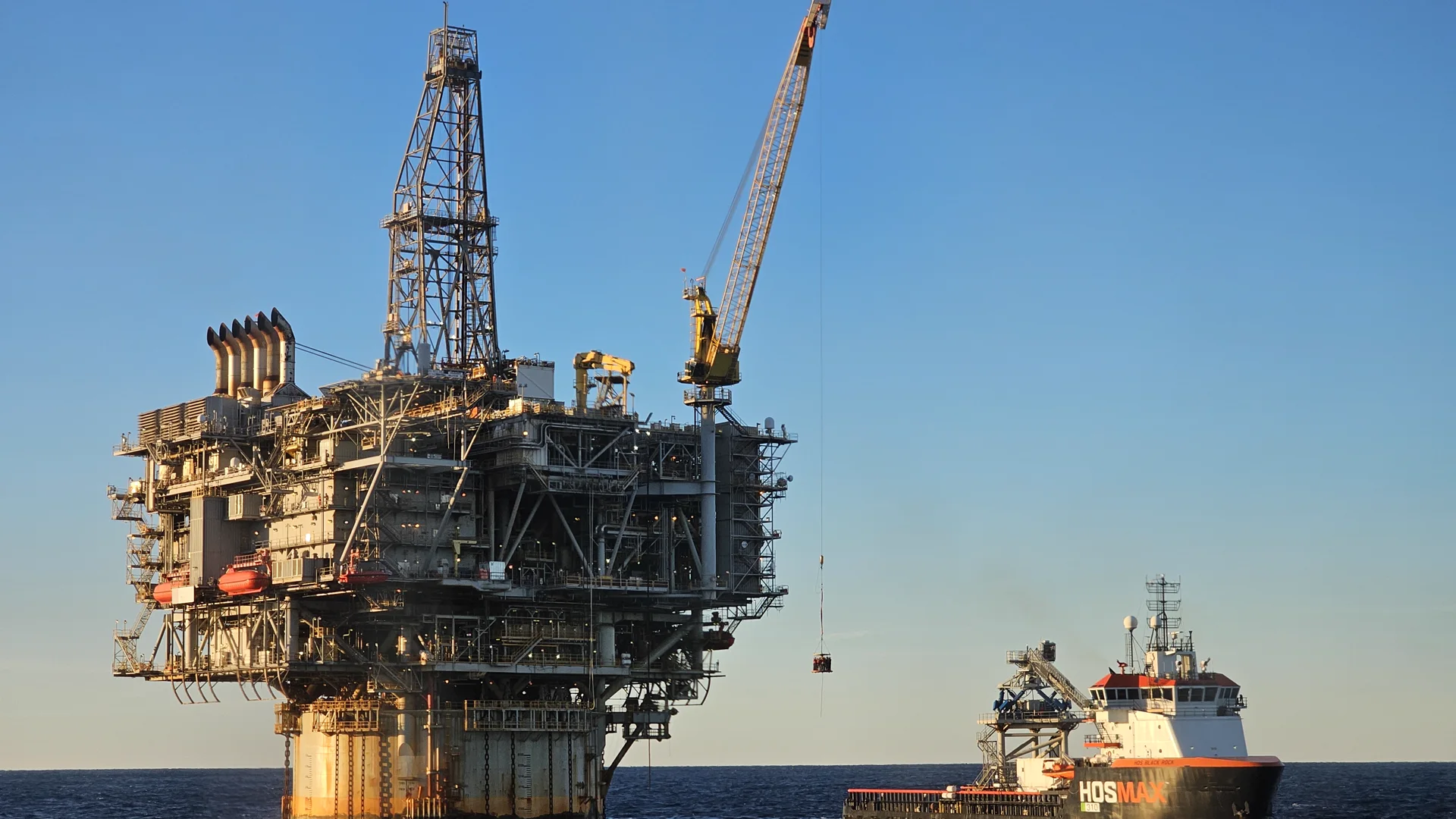
Offshore production platform operating in the Gulf of Mexico, representing the intersection of legacy energy infrastructure and federal modernization initiatives.

Strategic Executive Summary

  • ▪The $480 million capital injection is specifically earmarked for infrastructure upgrades to extend the operational lifespan of existing Gulf of Mexico assets.
  • ▪Federal intervention signals a strategic pivot toward domestic energy autonomy, prioritizing price stability over immediate transition-led reduction in fossil fuel reliance.
  • ▪Efficiency gains from this investment are projected to lower the break-even cost per barrel, enhancing the competitiveness of U.S. offshore production in global markets.
STRATEGIC BRIEFING

Lifecycle of the Gulf Energy Modernization Initiative

Geoprimer Flow Analytics
101
Capital Allocation

Deployment of $480 million in low-interest federal loans to targeted offshore operators.

100% funding disbursement
202
Infrastructure Overhaul

Retrofitting aging subsea pipelines and platform control systems to prevent unplanned downtime.

15% efficiency gain
303
Production Scaling

Optimization of extraction workflows to maximize output from existing geological reserves.

8% output increase
404
Market Stabilization

Integration of increased domestic supply into the national grid to dampen price volatility.

4% price variance reduction

Source: U.S. Department of Energy / Bureau of Ocean Energy Management

Strategic Rationale for Offshore Capital Injection

The decision to inject $480 million into Gulf of Mexico operations reflects a pragmatic realization that domestic energy security remains tethered to traditional offshore production. As global geopolitical tensions threaten the predictability of international oil flows, the Department of Energy has opted to bolster the resilience of existing assets. This initiative is not merely about increasing volume; it is fundamentally about hardening the infrastructure that supports the nation’s foundational energy requirements.

By focusing on replacement and efficiency, the government is effectively mitigating the risks associated with aging infrastructure. These investments allow operators to maintain output levels while reducing the environmental and operational risks of mechanical failure. This approach provides a necessary buffer for the national economy, ensuring that domestic supply remains consistent even when global market conditions fluctuate due to external pressures or supply chain bottlenecks in other regions.

⚡ Key Intelligence Marker
"Strategic energy autonomy depends on the ability to maintain consistent output from established basins while simultaneously transitioning toward long-term renewable infrastructure."

— GeoPrimer Energy Analysis Desk

Modernization as a Tool for Price Control

Price stability is the primary objective of this federal loan facility. By lowering the operational costs for offshore producers, the government is creating a mechanism that allows domestic firms to remain profitable even during periods of downward price pressure. This financial support ensures that domestic production does not drop off during market downturns, which historically leads to supply gaps that force the nation to rely more heavily on expensive, volatile international imports.

The modernization of subsea infrastructure is particularly critical. Many of the pipelines and control systems currently in use were designed for a different era of production. Upgrading these systems with modern sensor technology and corrosion-resistant materials ensures that the Gulf remains a reliable source of energy for the next decade. This technical upgrade path is essential for maintaining the competitiveness of U.S. energy in a global market that is increasingly defined by supply-side volatility.

Balancing Long-Term Energy Policy

Critics often point to the tension between fossil fuel investment and the broader national goal of decarbonization. However, the current strategy acknowledges that a rapid, unmanaged decline in domestic production would create an unacceptable risk to national security and economic stability. The DOE’s approach is one of 'managed transition,' where the efficiency of current assets is maximized to provide the capital and stability required to fund the energy systems of the future.

This loan facility serves as a bridge. By ensuring that the Gulf of Mexico continues to contribute to the domestic supply, the government avoids the inflationary pressures that would occur if production were allowed to wane prematurely. This analytical framework suggests that the federal government is prioritizing a balanced energy portfolio, where traditional offshore production provides the necessary floor for the national economy while renewable energy projects continue their long-term development and integration.

⚡ Key Intelligence Marker
"Efficiency is the new frontier of energy production; every barrel produced with less energy and lower overhead strengthens the national balance sheet."

— Industry Policy Review Board

Future Implications for Energy Infrastructure

Looking toward 2030, the success of this $480 million initiative will likely serve as a blueprint for future federal interventions in critical infrastructure. The model demonstrates that targeted, low-interest capital can be more effective than broad subsidies in driving specific operational improvements. If the Gulf project succeeds in stabilizing production costs, we can expect similar loan facilities to be deployed in other sectors, such as refining capacity and midstream pipeline networks.

The long-term impact on the domestic energy market will be defined by how well these investments translate into tangible price stability for the end consumer. As the global energy landscape becomes more fragmented, the ability to control the cost and reliability of domestic supply will become a primary indicator of national economic health. This project is a clear signal that the U.S. intends to remain a dominant force in global energy markets.

Filed Under:Energy & Trade#Energy Policy#Gulf of Mexico#DOE#Infrastructure
GE

Geoprimer Energy Desk

OSINT Verified Desk

Critical Minerals & Commodities Unit

Senior contributor to the Energy & Trade desk at Geoprimer, covering energy policy, gulf of mexico, doe and primary-source verification under our Editorial & Verification Charter.

The Diplomatic Dispatch

Get Weekly Geopolitical Intelligence in Your Inbox

Curated analysis of international chokepoints, currency wars, defense treaties, and energy supply shocks. Zero spam, free forever.

Trusted by analysts, civil services aspirants, and foreign policy researchers.

Recommended Energy & Trade & Strategic Inquiries

All Energy & Trade →
The Beijing Triad: Reconfiguring Global Nuclear Architecture
9:16 VERTICAL • 00:30
GeopoliticsTrending
November 14, 2026•4 min read

The Beijing Triad: Reconfiguring Global Nuclear Architecture

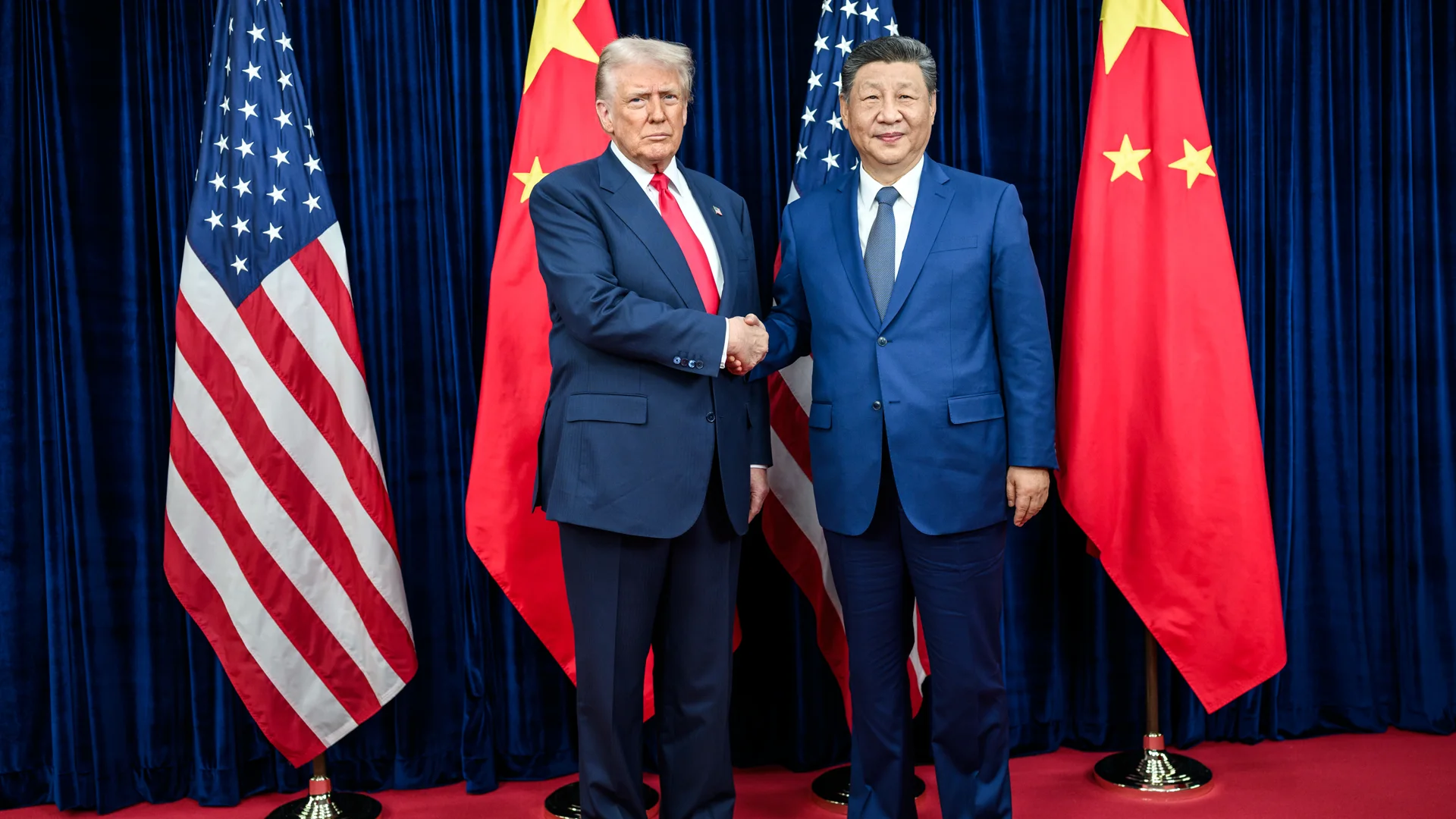
In a historic diplomatic shift, the White House has confirmed a summit between Donald Trump, Vladimir Putin, and Xi Jinping in China. This high-stakes meeting aims to establish a multilateral framework for nuclear disarmament, marking a departure from bilateral treaties toward a tripartite strategic stability model. The outcome will fundamentally redefine international security protocols and the future of global deterrence mechanisms.

GG

Geoprimer Global Desk

Geopolitics & Diplomatic Affairs

Watch
The Mahadev Network Dismantling: CBI’s Multi-State Strike on Digital Betting Syndicates
INDIA Affairs
November 14, 2026•5 min read

The Mahadev Network Dismantling: CBI’s Multi-State Strike on Digital Betting Syndicates

In a decisive escalation, the Central Bureau of Investigation (CBI) has executed coordinated raids across six Indian states, targeting the operational nodes of the Mahadev betting network. By seizing high-value digital evidence from key panel operators, federal authorities are shifting focus from peripheral arrests to the systematic deconstruction of the platform's illicit financial conduits, marking a critical turning point in the state's battle against unregulated digital gambling syndicates.

GI

Geoprimer India Desk

Domestic Policy & Strategic Infrastructure Bureau

Read
The Arunachal Pivot: India’s Strategic Infrastructure Acceleration in the Eastern Sector
INDIA AffairsTrending
November 14, 2026•4 min read

The Arunachal Pivot: India’s Strategic Infrastructure Acceleration in the Eastern Sector

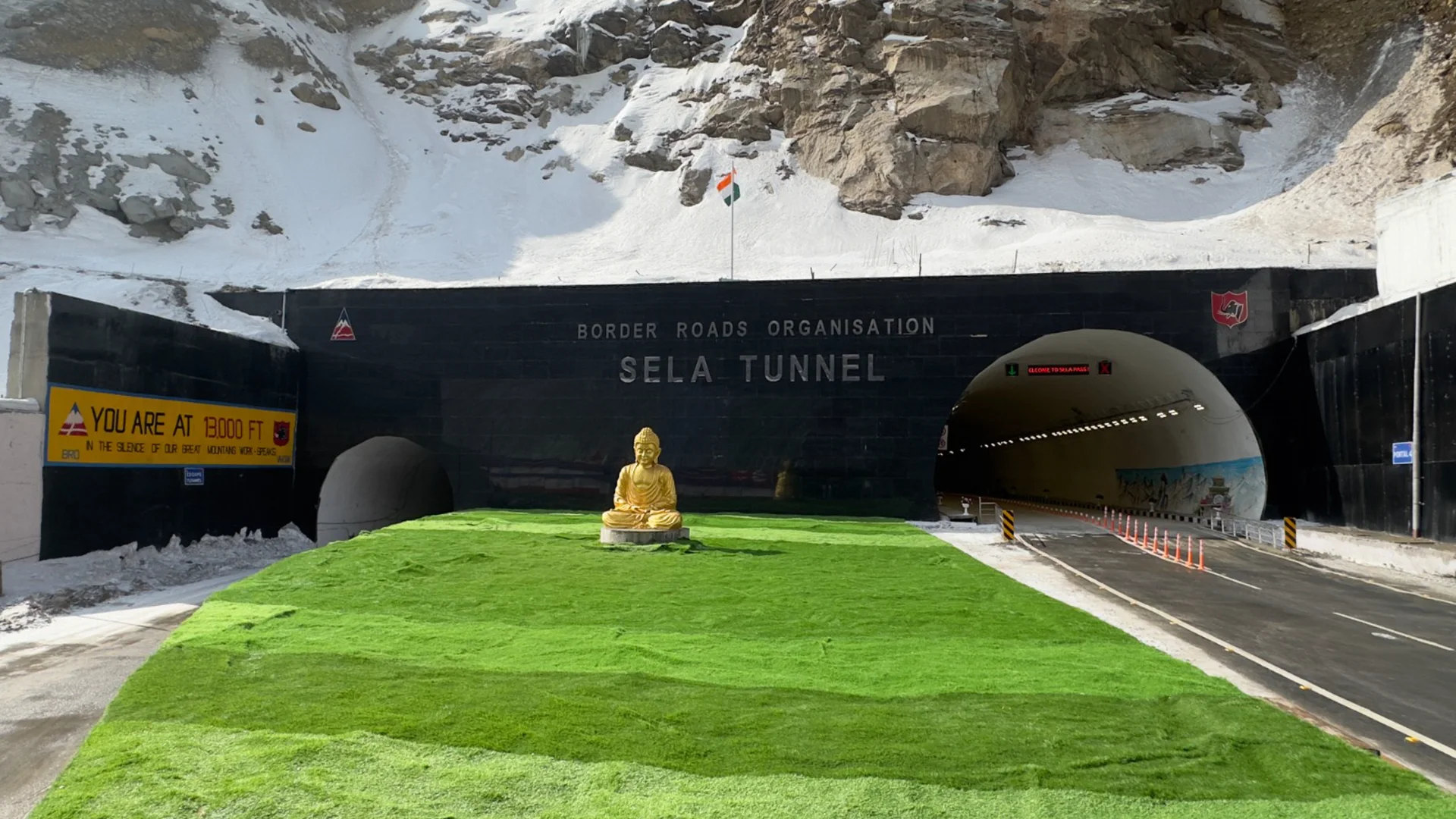
As of November 2026, the Indian government has intensified its infrastructure offensive along the Arunachal Pradesh border. By prioritizing tunnel networks and heavy-load road corridors, New Delhi is effectively neutralizing the geographical disadvantages that previously hindered rapid military mobilization. This strategic acceleration persists despite three rounds of high-level diplomatic discussions, signaling that India views physical border hardening as a prerequisite for long-term regional stability.

GI

Geoprimer India Desk

Domestic Policy & Strategic Infrastructure Bureau

Read