

One Afternoon, Four Decisions With Very Different Time Clocks
Taken separately, the Cabinet and Cabinet Committee on Economic Affairs (CCEA) briefings issued on November 11 appear unrelated: winter crop nutrients, small-shop working capital, female and marginalized startup founders, and colonial-era stone blocks overlooking Kartavya Path. Line them up on a single balance sheet totaling ₹74,711 crore, however, and they divide neatly across two horizons.
Over 83% of the immediate outlay—₹62,370 crore—serves short-cycle macroeconomic insurance: absorbing global raw-material inflation during the crucial six-month Rabi farming window. The remaining ₹12,341 crore stretches multi-year through March 2031, deploying sovereign risk-sharing guarantees to unlock formal bank lending alongside converting vacated government heritage compounds into long-lived public civic infrastructure.
How ₹9,111 Crore in Sovereign Guarantees Unlocks ₹12.6 Lakh Crore in Credit
Direct cash transfers drain fiscal budgets once; credit-guarantee corpuses act as financial levers because commercial banks hold deposits yet hesitate to risk capital on collateral-light borrowers. Combining ₹5,000 crore for the Credit Guarantee Fund for Micro Units (CGFMU) across the XVIth Finance Commission cycle (FY 2026–27 to FY 2030–31) with ₹4,111 crore for Stand-Up India puts sovereign default insurance cleanly behind bank credit officers.
Under Stand-Up India (PIB PRID 2334978), extended five years to March 31, 2031 after serving more than 2.75 lakh beneficiaries since April 2016, greenfield entrepreneurs from Women, SC, and ST categories can access composite or term loans above ₹10 lakh up to ₹1 crore covering up to 85% of project cost—backed by an 85% government guarantee at a standardized 0.50% fee toward an additional 2.5 lakh founders. Simultaneously, CGFMU lowers the annual guarantee fee for lenders from 1% to 0.75% per annum through NCGTC (keeping SHG rates at 0.25% first year and 0.50% thereafter), supporting Mudra loans up to ₹20 lakh, PMJDY ₹10,000 overdrafts, and ₹10–20 lakh SHG books aimed at facilitating ₹12.6 lakh crore in collateral-free credit.
"Extending both CGFMU and Stand-Up India to March 31, 2031 targets ₹12.6 lakh crore in Mudra-tier micro credit plus 2.5 lakh additional Women/SC/ST greenfield enterprises backed by 85% default guarantees."
— PIB Official Briefings on Cabinet Credit Approvals (November 11, 2026)
Shielding Winter Crops Without Wrecking Soil Nutrition
Fixing ₹62,370 crore for Phosphatic and Potassic (P&K) Nutrient-Based Subsidy rates from October 1, 2026 through March 31, 2027 reflects quiet economic defense. India relies heavily on imported rock phosphate, phosphoric acid, ammonia, and muriate of potash—inputs exposed directly to maritime freight stress and geopolitical gas volatility.
When DAP and potash prices spike in local mandis, farmers predictably over-apply heavily subsidized urea nitrogen instead, starving wheat and mustard crops of phosphorus and potassium while degrading farmland fertility. Holding P&K prices steady across Rabi protects crop yields heading into April harvests and caps spring food-inflation surprises.
Adaptive Reuse at Raisina Hill and the Execution Test
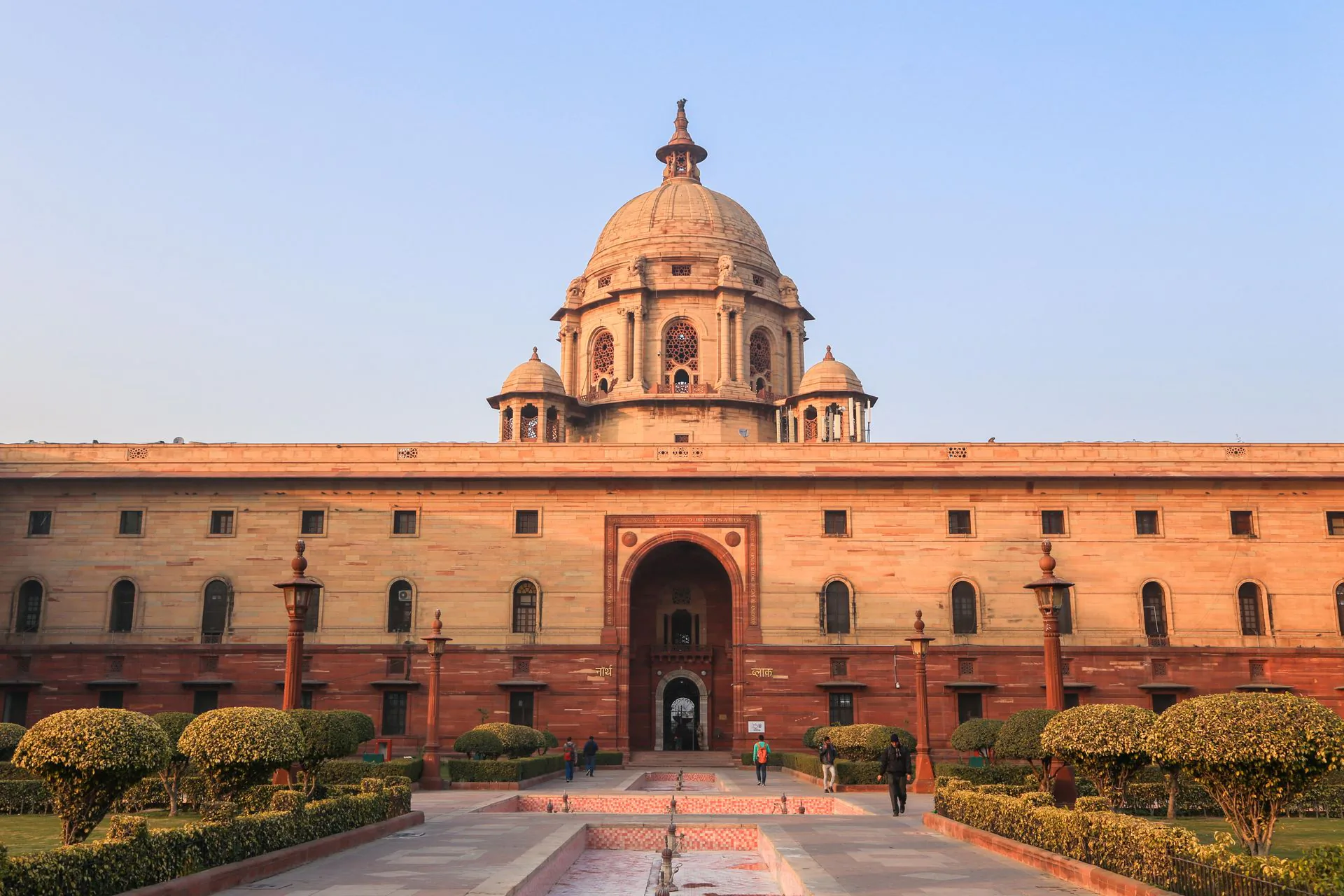
The ₹3,230-crore CCEA sanction for the Yuge Yugeen Bharat Museum resolves a long-standing urban planning question around Raisina Hill: once central ministry offices migrate out of North and South Block into modern functional secretariats, keeping ~1,78,509 square meters of monumental stone corridors shuttered behind bureaucratic security serves nobody. Adaptive architectural reuse preserves the landmark skyline while positioning the twin complexes as the world’s largest public museum display space.
Two practical watchpoints govern execution from here: whether commercial and small-finance banks translate CGFMU’s 25-basis-point fee cut into noticeably lower interest spreads without slackening NPA vigilance, and whether stable world phosphate prices keep the half-year ₹62,370-crore subsidy envelope on budget through March.