

The Death of Continuity
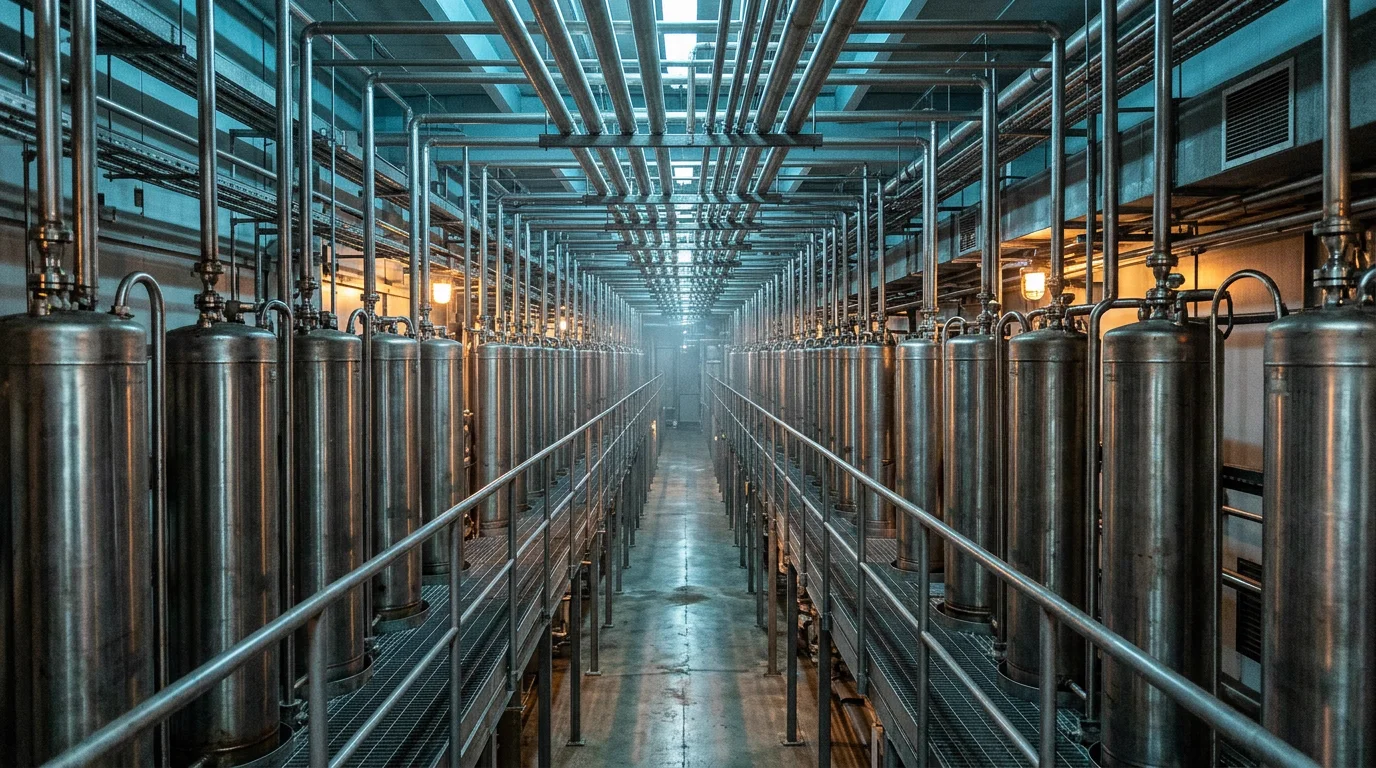
The recent declaration by the International Atomic Energy Agency (IAEA) that it has lost 'continuity of knowledge' over Iran’s nuclear program marks a watershed moment in global non-proliferation. For years, the agency relied on a complex web of remote sensors, camera feeds, and physical inspections to track nuclear material. By restricting access to facilities like Fordow and Natanz, Tehran has effectively blinded the international community, turning the nuclear program into a black box.
This loss of visibility is not merely a procedural setback; it is a strategic shift. Without the ability to track the movement of centrifuges or the volume of enriched uranium, the IAEA cannot provide the credible assurances that underpin the global nuclear order. The agency’s inability to verify the status of these materials suggests that Iran is prioritizing domestic sovereignty over international compliance, fundamentally altering the calculus for regional security actors who rely on IAEA data.
"The degradation of monitoring capabilities creates an intelligence vacuum that invites miscalculation and potential preemptive security responses from regional rivals."
— GeoPrimer Strategic Analysis Unit
Breakout Time and Technical Escalation
Beyond the issue of access, the technical trajectory of Iran’s enrichment program remains a primary concern. The steady accumulation of 60% enriched uranium is a significant departure from the limits established under the 2015 Joint Comprehensive Plan of Action (JCPOA). As the stockpile grows, the time required to further enrich this material to weapons-grade levels—the so-called 'breakout time'—has reached historically low levels, causing alarm among global powers.
While Tehran maintains that its nuclear activities are strictly for civil and research purposes, the lack of transparency makes such claims impossible to verify. The technical capability to reach weapons-grade enrichment is now a matter of weeks rather than months. This compression of the breakout window places immense pressure on diplomatic channels, as the margin for error in international negotiations continues to shrink in the face of rapid technical advancement.
The Collapse of Diplomatic Frameworks
The current crisis is the culmination of years of eroding trust and the systematic dismantling of the JCPOA architecture. With the agreement’s monitoring protocols now at their lowest level of functionality, the international community finds itself in a state of diplomatic paralysis. Previous efforts to de-escalate tensions through dialogue have stalled, largely because the foundational requirement—transparency—has been removed from the table by Iranian leadership.
Neighboring states, observing the opacity of the Iranian program, have begun to recalibrate their own defense postures. The perception that Iran is moving toward a 'threshold state' status has ignited a quiet but intense security competition across the Middle East. Without a return to rigorous IAEA oversight, the region risks entering a period of heightened volatility where traditional diplomatic deterrents are replaced by military posturing and preemptive defense strategies.
"Transparency is the bedrock of non-proliferation; without it, the international community is forced to rely on worst-case scenario planning."
— Non-Proliferation Policy Review
Future Outlook and Strategic Implications
Looking forward, the IAEA’s demand for immediate access serves as a final warning before the international community is forced to consider more punitive measures. The agency’s mandate is to provide objective, technical verification, and its failure to do so leaves a void that will likely be filled by unilateral sanctions or increased pressure from major global powers. The coming months will be decisive in determining whether a diplomatic off-ramp remains viable.
If Iran continues to deny access, the path toward a complete breakdown of the non-proliferation regime becomes increasingly likely. The international community faces a stark choice: accept the new reality of an opaque Iranian nuclear program or intensify the pressure to force a return to the inspection table. As the window for verification closes, the strategic cost of inaction grows, threatening to permanently alter the security landscape of the entire region.