
Thursday, November 12, 2026
Energy & TradePublished November 12, 2026•7 min read

The Four-Word Wording Dispute Dividing COP31’s 2035 Electricity Pledge

At UN talks in Antalya, Germany fights to tighten Turkey’s "35 by 35" global electrification target around 1.5°C renewables while Storm Charles exposes how weather shocks stress urban grids.

Elena Rostova

Elena Rostova

Lead Energy Geopolitics & Climate Policy Analyst

The Four-Word Wording Dispute Dividing COP31’s 2035 Electricity Pledge
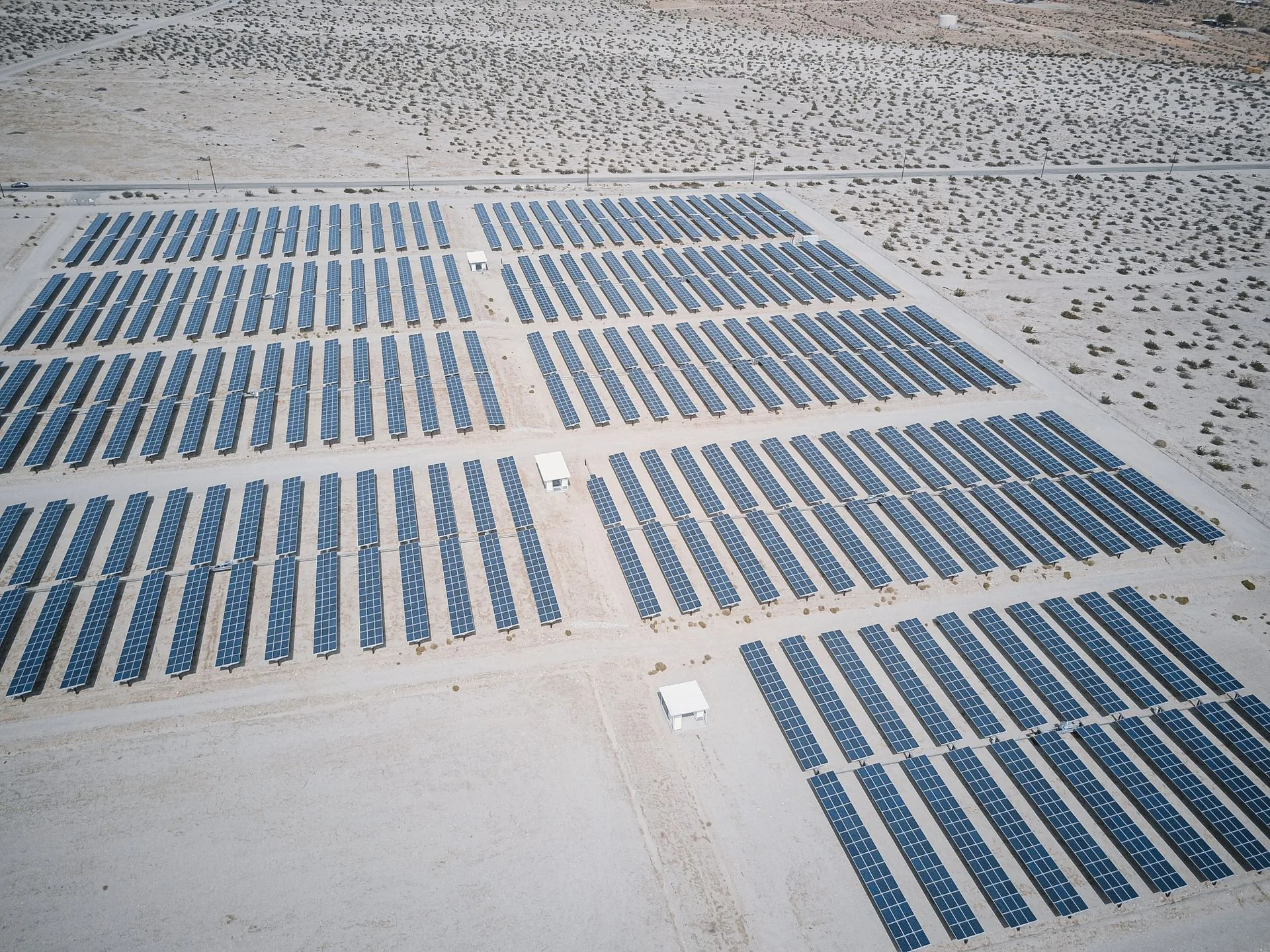
Utility-scale solar photovoltaic generation complex supplying clean electrons to transmission networks as COP31 debates a 35% global electrification pledge by 2035.

Strategic Executive Summary

  • ▪Target Math ("35 by 35"): Raising electricity from just over 20% of global final energy demand today to 35% within nine years.
  • ▪Clause Dispute: Draft text cites "diverse and sustainable energy sources" without naming fossil fuels or mandating zero-carbon renewables.
  • ▪German Red Line: Delegation head Heike Henn says explicit 1.5°C alignment remains Germany’s non-negotiable condition even as Chancellor Friedrich Merz’s absence draws criticism back home.
  • ▪Weather Warning: Storm Charles forcing the November 11 cancellation of Web Summit Lisbon Day 2 highlights how violent storms test electrified urban and digital infrastructure.

Turkey’s 35-by-2035 Electricity Push Runs Into a Wording Fight

Delivering nearly 200 delegations together in Antalya, Turkey from November 9 to 20, COP31 was explicitly packaged as an "Implementation COP"—moving away from abstract rhetoric toward operational targets. Turkey’s flagship initiative focuses on a simple metric: electricity today meets slightly over 20% of global final energy demand across homes, vehicles, and factories; by 2035, signatory nations would collectively raise that share to 35%.

Converting diesel trucks, gas boilers, and industrial furnaces into electric alternatives delivers dramatic energy-efficiency gains and improves resilience against Middle Eastern oil and gas price shocks. Yet switching from pipes to plugs cuts warming emissions *only* if the power plants spinning electrons into the grid stop burning coal and gas. That engineering condition ignited Antalya’s sharpest textual disagreement.

“Diverse and Sustainable” vs. Explicit 1.5°C Renewables

Inspect Turkey’s draft electrification wording closely and the loophole stands out immediately: it avoids naming fossil fuels altogether and frames expansion around "diverse and sustainable energy sources." For oil, LNG, and coal stakeholders, "diverse" subtly leaves room to meet surging grid loads with gas turbines or flexible thermal capacity while still claiming compliance under a UN climate headline.

German Environment State Secretary Heike Henn—alongside Environment Minister Carsten Schneider, who publicly urged faster electrification to trim exposure to Middle East energy crises—drew Berlin’s line unambiguously in Antalya. Welcoming wording tied to Paris Agreement 1.5°C pathways, Henn vowed Germany will push renewables primacy repeatedly across every working group, even as EU governments collectively backed broader "clean electrification" language and Berlin activists rebuked Chancellor Friedrich Merz for skipping Antalya after record European summer heat stress.

⚡ Key Intelligence Marker
"“For us, the fundamental prerequisite for joining the pledge remains that this link to 1.5° provides a clear path forward.”"

— German Environment State Secretary Heike Henn at UN COP31 Antalya (Clean Energy Wire, Nov 2026)

Storm Charles in Lisbon Reminds Grids What Bad Weather Costs

Electrifying 35% of economic activity concentrates total societal reliance inside exposed outdoor substations, coastal ports, and overhead transmission lines. One concrete demonstration unfolded right on Europe’s Atlantic edge yesterday (November 11): fierce winds, tidal flood warnings, and transport halts from Storm Charles forced Portuguese emergency authorities to shut down Day 2 of Web Summit Lisbon before schedules regrouped to resume November 12.

Halting one of Europe’s premier digital gatherings illustrates a blind spot across many climate pledges. Generating clean megawatts is only half the equation; once hospitals, commuter rail, and cloud data centers depend cleanly on electricity, grid hardening against storm surges and high-wind blackouts becomes an immediate national-security budget item.

Why Grids, Storage, and Minerals Decide 2035 More Than Pledges

Look past Antalya’s diplomatic wording fight and the underlying hardware math connects directly to India’s own domestic trade moves this week. Racing toward 35% global electrification by 2035 requires staggering volumes of grid-scale battery storage, transformer steel, copper lines, and lithium—precisely why India prohibited Battery Black Mass exports under ITC(HS) 85491400 to build captive domestic chemical refining under its National Critical Mineral Mission.

Before COP31 closes on November 20, watch three decisive tests: whether Berlin and clean-energy allies replace vague "diverse sources" text with enforceable renewable benchmarks, what concessional finance emerges to modernize emerging-market utility grids, and whether major clean-tech importers balance emissions rigor with affordable hardware supply chains.
Filed Under:Energy & Trade#COP31 Antalya#Global Electrification#Clean Energy#Germany Climate Policy#Storm Charles#Energy
Elena Rostova

Elena Rostova

OSINT Verified Desk

Lead Energy Geopolitics & Climate Policy Analyst

Senior contributor to the Energy & Trade desk at Geoprimer, covering cop31 antalya, global electrification, clean energy and primary-source verification under our Editorial & Verification Charter.

The Diplomatic Dispatch

Get Weekly Geopolitical Intelligence in Your Inbox

Curated analysis of international chokepoints, currency wars, defense treaties, and energy supply shocks. Zero spam, free forever.

Trusted by analysts, civil services aspirants, and foreign policy researchers.

Recommended Energy & Trade & Strategic Inquiries

All Energy & Trade →
Prisoner Swap in Abu Dhabi Tests Diplomacy While Overnight Drone Strikes Hit Ust-LugaGeopoliticsTrending
November 12, 2026•7 min read

Prisoner Swap in Abu Dhabi Tests Diplomacy While Overnight Drone Strikes Hit Ust-Luga

Two days of US-mediated discussions in Abu Dhabi (November 10–11)—the first direct Russia–Ukraine negotiating format since February 2026 in Geneva—yielded agreement between Russian envoy Vladimir Medinsky, Ukrainian lead negotiator Rustem Umerov, and US mediators Jared Kushner and Steve Witkoff on their largest humanitarian prisoner release yet. As Kushner and Witkoff fly November 12 to meet Vladimir Putin in Moscow and Volodymyr Zelenskyy in Dublin, simultaneous strikes involving 627 long-range Ukrainian drones and Russian attacks on Zaporizhzhia and Kharkiv underscore an entrenched military stalemate.

Elena Rostova

Elena Rostova

Lead Geopolitics & Eurasia Intelligence Analyst

Read
Inside New Delhi’s ₹74,711-Crore Credit, Farm-Shield, and Raisina Heritage PackageINDIA AffairsTrending
November 12, 2026•7 min read

Inside New Delhi’s ₹74,711-Crore Credit, Farm-Shield, and Raisina Heritage Package

Four major approvals passed on November 11 by the Union Cabinet and CCEA bundle ₹74,711 crore in targeted commitments: ₹62,370 crore in Nutrient-Based Subsidy protection for Rabi 2026–27 P&K fertilisers, a ₹5,000-crore extension of CGFMU designed to support ₹12.6 lakh crore in collateral-free Mudra credit until March 2031, a ₹4,111-crore continuation of Stand-Up India targeting 2.5 lakh additional Women/SC/ST entrepreneurs, and ₹3,230 crore to repurpose North and South Block into the Yuge Yugeen Bharat Museum.

GeoPrimer Geoeconomics & Policy Desk

GeoPrimer Geoeconomics & Policy Desk

Fiscal Policy, Banking & Rural Economy Desk

Read
India Cuts Off Overseas Flow of Battery ‘Black Mass’ Ahead of Visakhapatnam Industrial TalksINDIA AffairsTrending
November 12, 2026•7 min read

India Cuts Off Overseas Flow of Battery ‘Black Mass’ Ahead of Visakhapatnam Industrial Talks

The Directorate General of Foreign Trade amended export rules for Lithium-Ion Battery Black Mass under ITC(HS) Code 85491400 from "Free" to "Prohibited" with immediate effect on November 10, 2026 (Notification No. 49/2026-27). Arriving right before global executives and ministers gather today in Visakhapatnam for the 31st CII Partnership Summit, the restriction keeps mineral-dense battery powder inside India to feed domestic hydrometallurgical refiners built under the National Critical Mineral Mission.

GeoPrimer Geoeconomics & Policy Desk

GeoPrimer Geoeconomics & Policy Desk

Critical Minerals, Trade Policy & Industrial Supply Chains

Read