
The Logic of Persistent Infrastructure
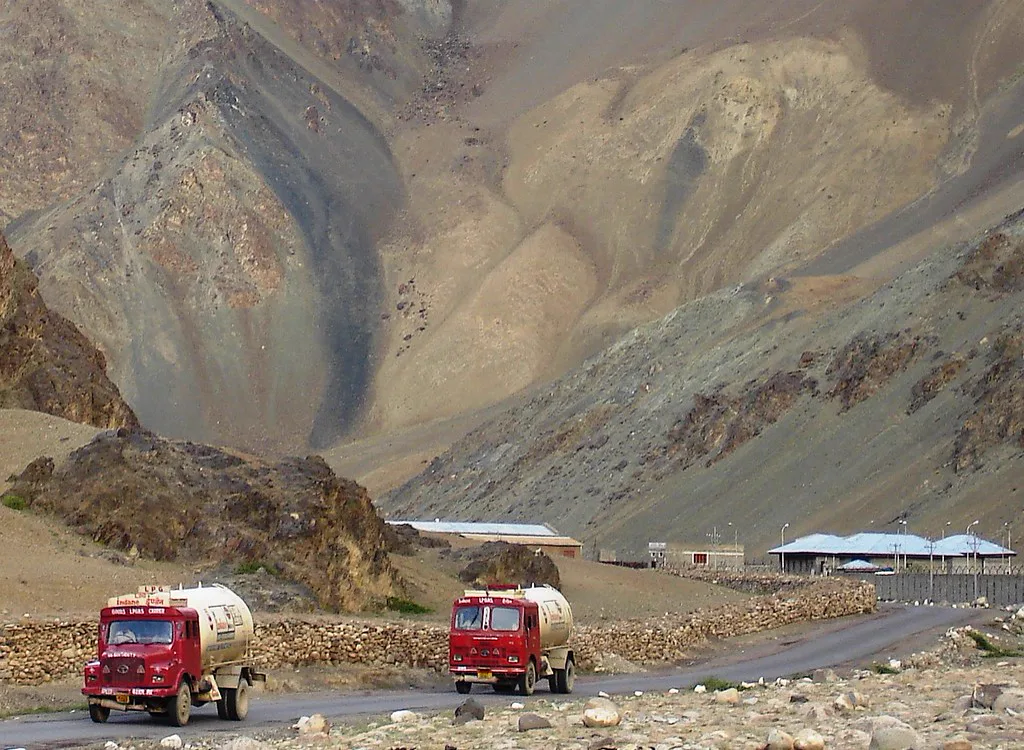
In the high-altitude environment of Arunachal Pradesh, geography has historically served as a formidable barrier to rapid military response. The Indian government’s current strategic push is a calculated effort to overcome these environmental constraints. By shifting from seasonal, weather-dependent supply lines to a robust network of all-weather roads and tunnels, New Delhi is ensuring that its defensive posture is no longer dictated by the shifting conditions of the Himalayan climate.
This development is not merely reactive; it represents a fundamental shift in the strategic doctrine of the Eastern Sector. By establishing a permanent, high-capacity logistical backbone, India is creating a deterrent effect that relies on tangible capabilities rather than abstract diplomatic assurances. The ongoing construction projects are designed to support heavy armor and sustained logistics, effectively changing the military calculus for any potential adversary operating along the Line of Actual Control.
"Strategic depth is no longer a theoretical concept; it is being physically engineered into the mountain ranges of the Eastern Sector through persistent, high-intensity infrastructure investment."
— GeoPrimer Strategic Analysis Unit
Diplomacy and Deterrence: A Dual-Track Approach
The persistence of construction activity through late 2026, despite three rounds of high-level diplomatic engagement, underscores a clear separation between political dialogue and national security infrastructure. New Delhi’s stance suggests that while diplomatic channels remain open to manage tensions, the physical hardening of the border is an independent imperative. This dual-track approach ensures that India does not trade its defensive readiness for the uncertainty of prolonged, often inconclusive, border negotiations.
This decoupling strategy is vital for maintaining the momentum of development. By insulating infrastructure projects from the volatility of diplomatic cycles, the government ensures a steady, uninterrupted flow of resources to the border regions. This consistency serves as a signal of intent, demonstrating that India’s commitment to securing its territorial integrity is not subject to external pressure or the fluctuating nature of bilateral diplomatic relations with China.
Dual-Use Connectivity and Regional Integration
The infrastructure surge in Arunachal Pradesh is increasingly characterized by its dual-use nature. While the primary objective is military mobility, the secondary benefits for the local population are significant. Improved road networks are bridging the gap between isolated border communities and the mainland, facilitating access to healthcare, education, and markets. This integration is a crucial component of India’s 'Vibrant Villages' initiative, which seeks to populate and develop the border regions as a form of non-kinetic defense.
By fostering economic growth in these remote areas, the government is creating a more resilient civilian population that serves as an additional layer of security. The synergy between military logistics and civilian development is transforming the Eastern Sector from a neglected frontier into a well-connected, integrated region. This holistic approach ensures that the infrastructure serves the dual purpose of national defense and socioeconomic empowerment, creating a sustainable model for long-term border management.
"The integration of civilian infrastructure into military logistics corridors acts as a force multiplier, embedding national presence deep within the border regions."
— Institute for Defense Studies and Analysis
Future-Proofing the Eastern Frontier
Looking toward the horizon, the focus is shifting from basic connectivity to technological integration. Future projects are expected to incorporate smart monitoring systems and automated logistics hubs that reduce the human footprint while increasing operational efficiency. As the Eastern Sector becomes more accessible, the ability to monitor and respond to developments in real-time will become the new standard, further solidifying India’s control over its high-altitude frontiers.
The strategic landscape of 2026 and beyond will be defined by this infrastructure-led approach. By investing in the physical reality of the border, India is effectively future-proofing its defense against evolving regional threats. The commitment to this path is evident in the sustained budgetary allocations and the rapid pace of project completion, ensuring that the Eastern Sector remains a secure and well-integrated component of the national territorial framework.